.png)
The rise of the AI Accountant
Startups used to have two options for their books: hire an in-house bookkeeper, or outsource to a bookkeeping firm and wait on their turnaround time. A third option has emerged over the last few years — an AI Accountant, a dedicated AI agent that runs the accounting operation itself, continuously, instead of batching the work into a monthly cleanup.
What is an AI Accountant?
An AI Accountant is an AI agent that performs the core work of a bookkeeping team: categorizing transactions, reconciling accounts, matching receipts, posting journal entries, and closing the books, continuously and without waiting for a monthly cycle. Unlike accounting software that just organizes data for a human to review, an AI Accountant does the accounting work itself and flags only what genuinely needs a human decision.

Where manual bookkeeping breaks down
Most startups don’t lose time to accounting because the work is hard. They lose time because it’s constant: bank feeds pile up, vendor names get miscategorized, receipts get lost in someone’s inbox, and by the time month-end close rolls around, a founder or finance lead is spending days reconstructing what should have been tracked in real time. That delay is what actually costs money — decisions made on numbers that are three weeks stale.
What should you look for in an AI Accountant?
- Full-cycle coverage, not just categorization. Categorizing transactions is table stakes. Look for reconciliation, journal entries, and audit checks handled by the same agent, not bolted on separately.
- Continuous work, not a monthly batch job. An AI Accountant that only runs at month-end isn’t saving you from the month-end scramble, it’s just automating it.
- Self-correcting, not just self-running. The agent should learn from every correction you make (vendor names, class tags) so the same mistake doesn’t recur.
- Independent audit checks. Categorization without verification just moves errors downstream. Look for an agent that checks its own accuracy against your balances and GAAP as it works.
- Real integration with your existing ledger. Confirm what accounting platform the AI Accountant runs on top of, and whether migrating your existing data is part of onboarding.
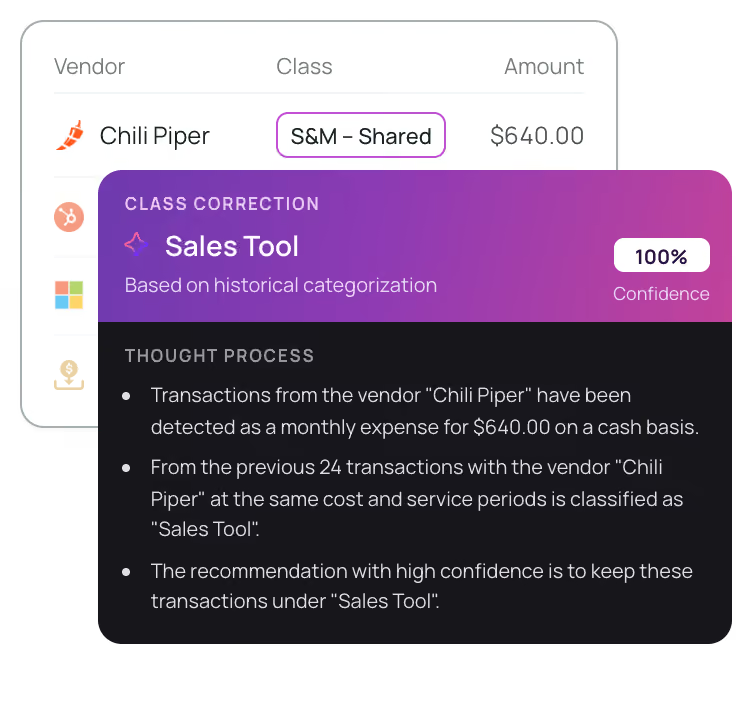
- Transparency into every decision. You should be able to see why a transaction was categorized the way it was, not just accept the output.
Introducing Zeni’s AI Accountant
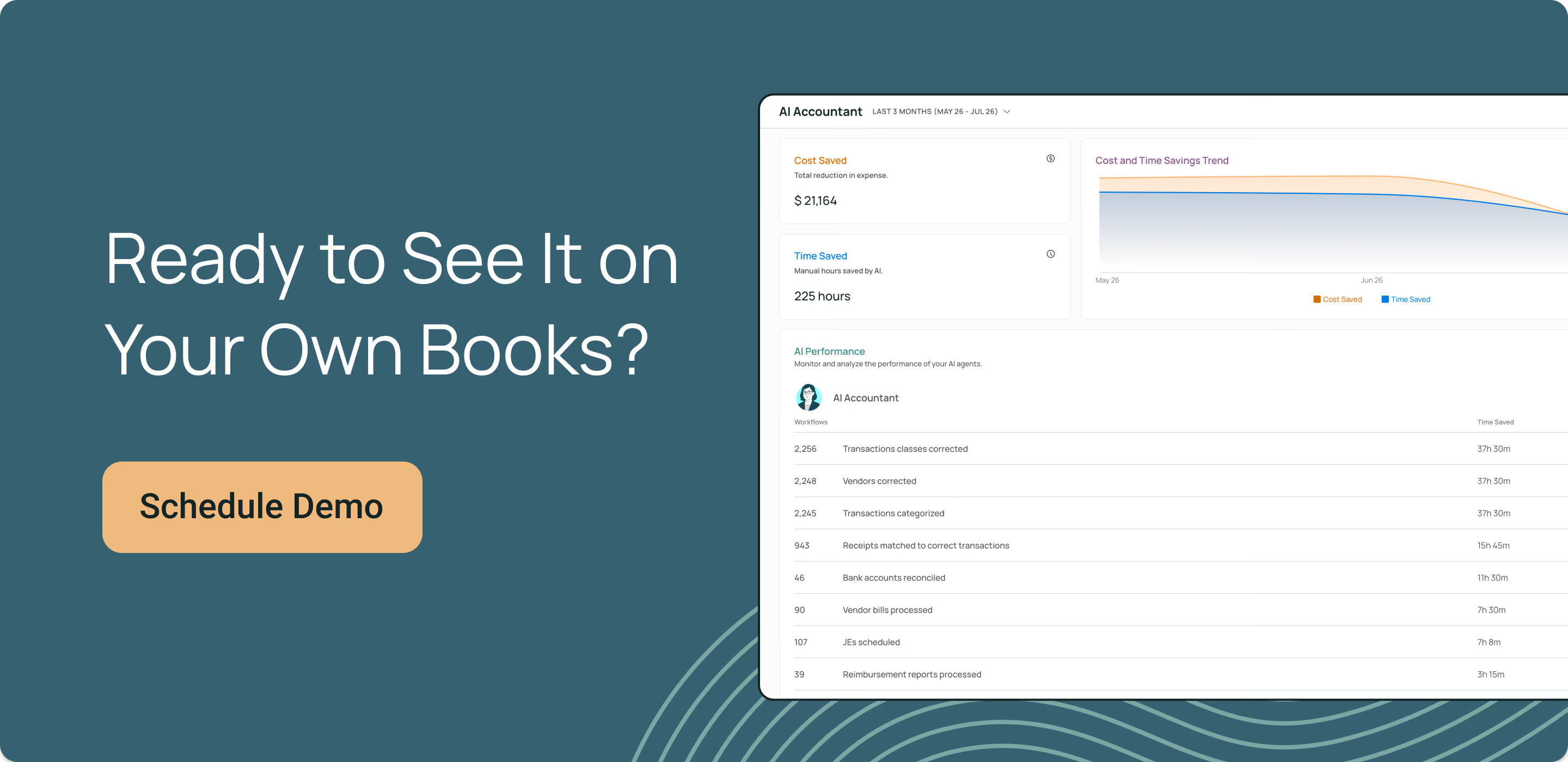
Zeni’s AI Accountant is the accounting half of Zeni’s AI-native platform: a dedicated agent that runs categorization, vendor verification, class tracking, receipt matching, month-end close (transactions, journal entry schedules, reconciliation, and flux analysis), audit checks, and accounts payable and receivable end to end, and closes your books every month without a backlog.
Six reasons startups use Zeni’s AI Accountant instead of a manual process:
- It runs continuously, not just at close. Transactions, journal entries, reconciliation, and flux analysis all happen as the month goes, so month-end close is a formality, not a fire drill.
- It goes deeper than categorization. Vendor verification, class corrections, and audit checks are all part of the same agent, not separate add-ons.
- It covers both sides of your cash position. Accounts payable and accounts receivable run through the same agent as your books, so what you owe and what is owed to you are part of one real-time picture.
- It is paired with an AI CFO. The same real-time books feed an AI CFO Agent that can answer runway and planning questions on demand, so accounting and strategy are not two disconnected tools.
- It is built on infrastructure with real security credentials. SOC 2 Type II compliant, with 256-bit AES encryption at rest and 256-bit SSL/TLS in transit, and a multi-tenant architecture that keeps every customer’s data siloed.
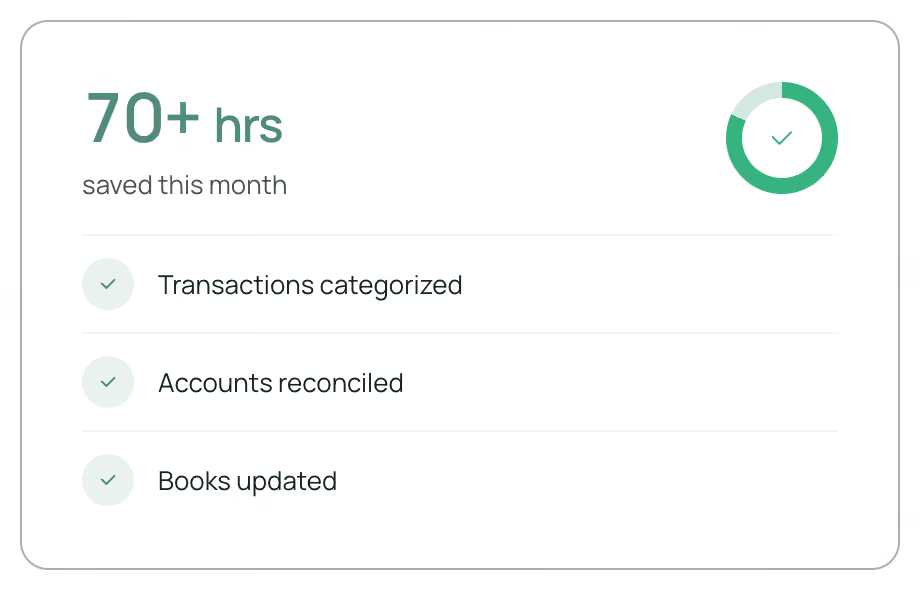
- It has already saved real teams real time. TeamBridge cut 53 hours a month of manual bookkeeping work after switching to Zeni.

How does Zeni’s AI Accountant actually work?
- Connect your accounts. Zeni’s AI Accountant runs on top of QuickBooks Online Plus. If you’re not already on QBO Plus, your existing data is migrated as part of onboarding.
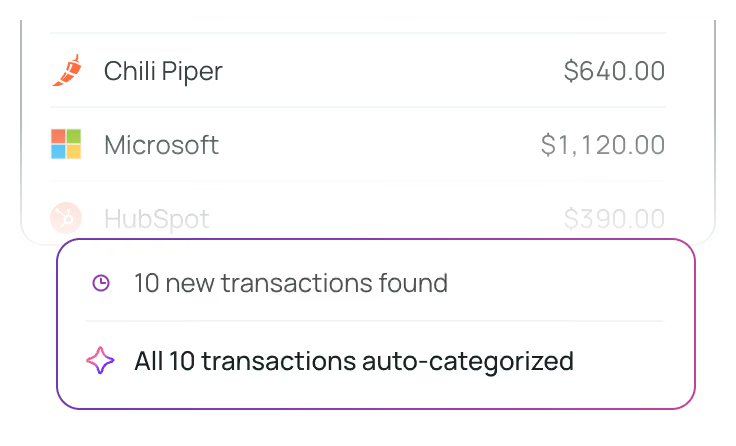
- The agent categorizes every transaction as it lands. No batching, no monthly upload.
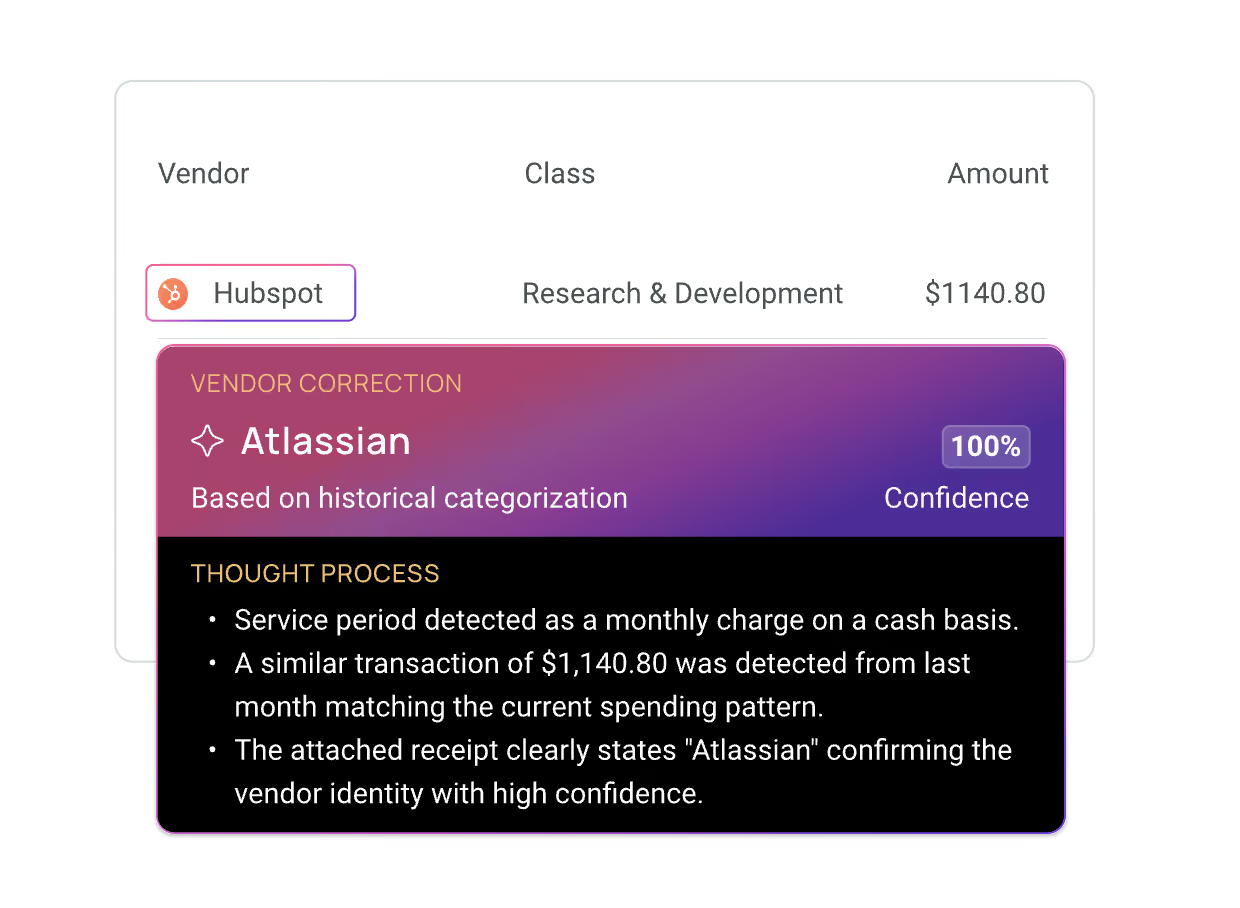
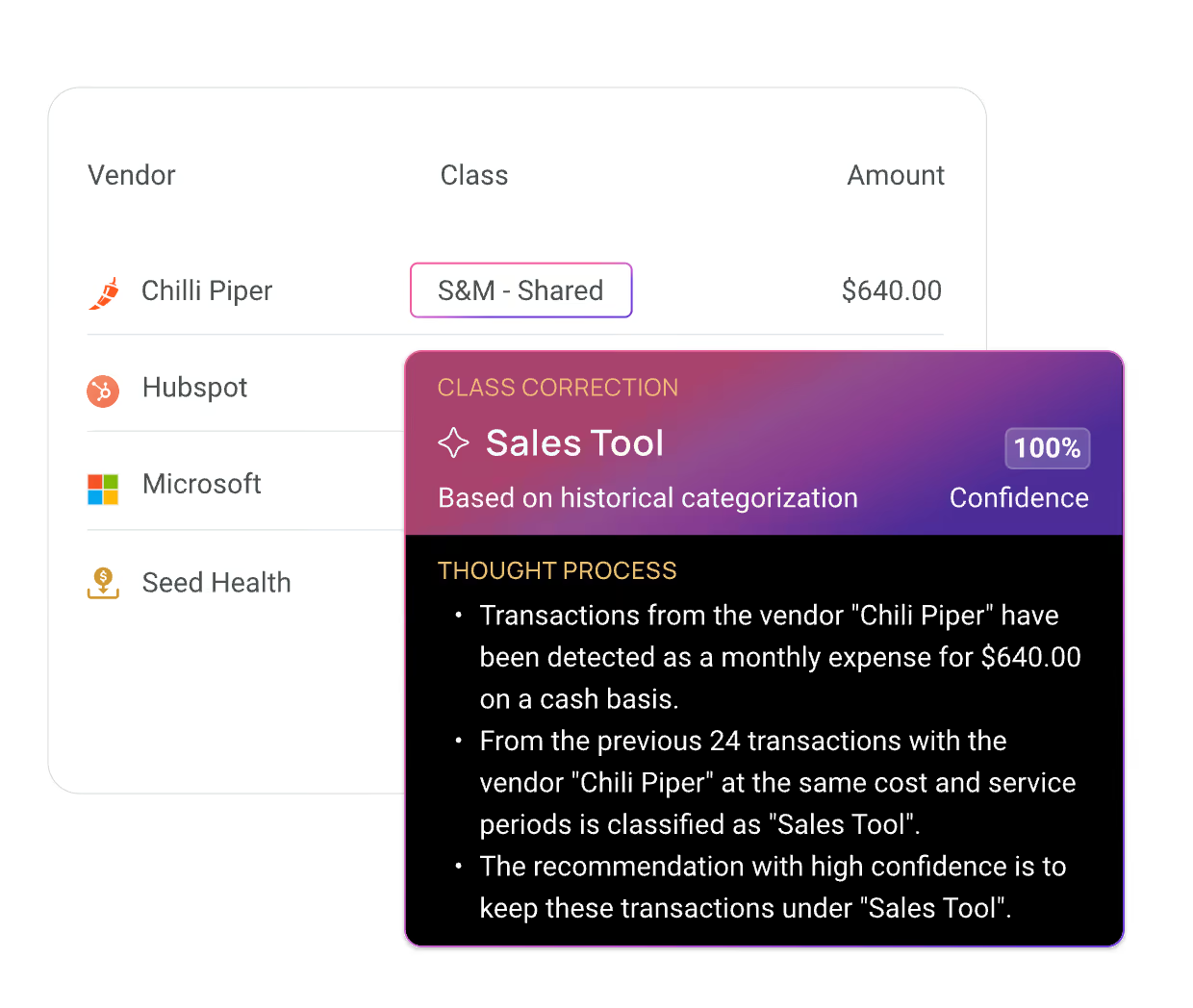
- Vendors and classes get verified and corrected automatically, learning your specific patterns over time.
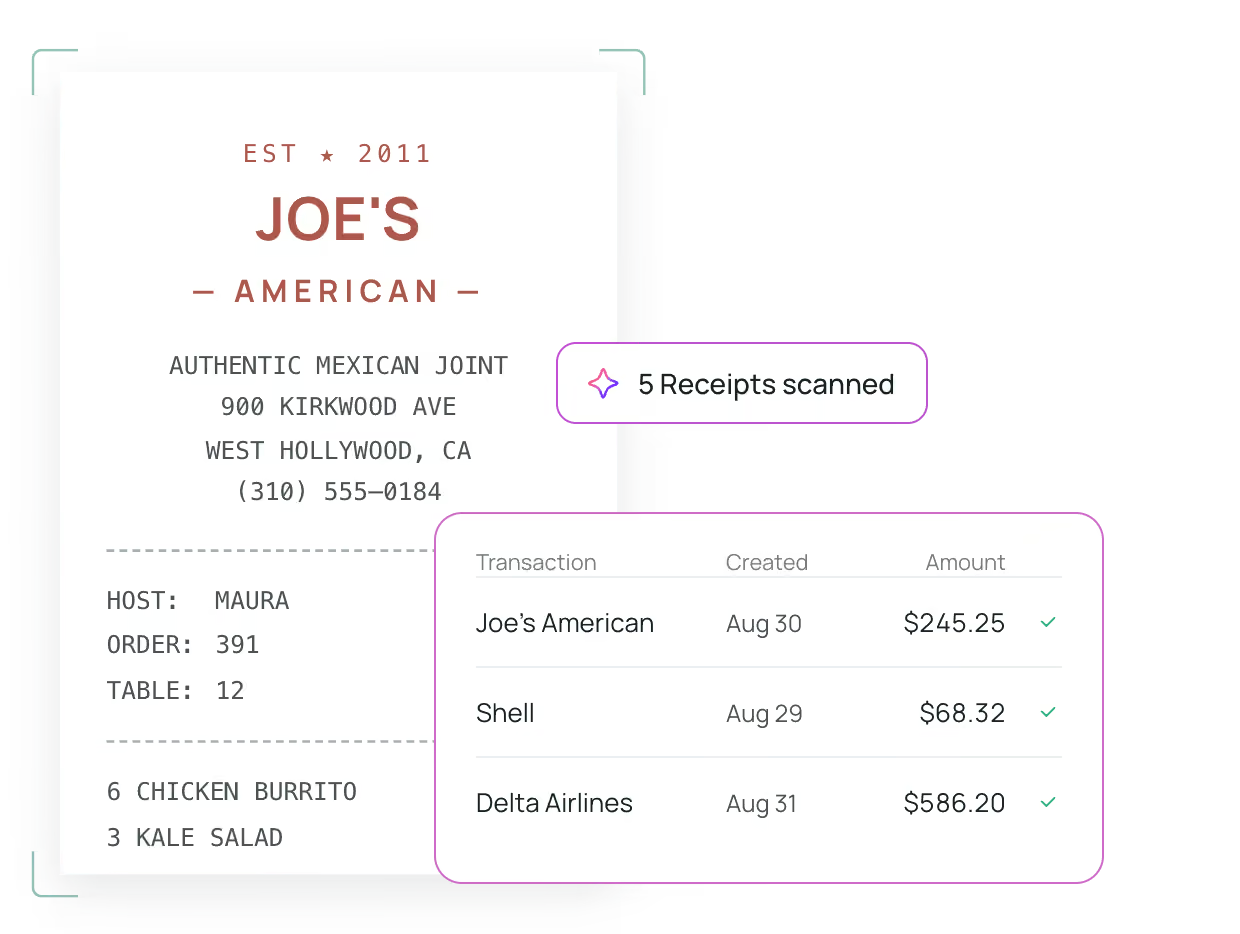
- Receipts and invoices are matched to their transactions without anyone uploading anything.
- Month-end close runs continuously, journal entries and amortization schedules post automatically, accounts reconcile as transactions come in, and flux analysis flags what moved and why.
- Audit checks run continuously, catching discrepancies before they compound.
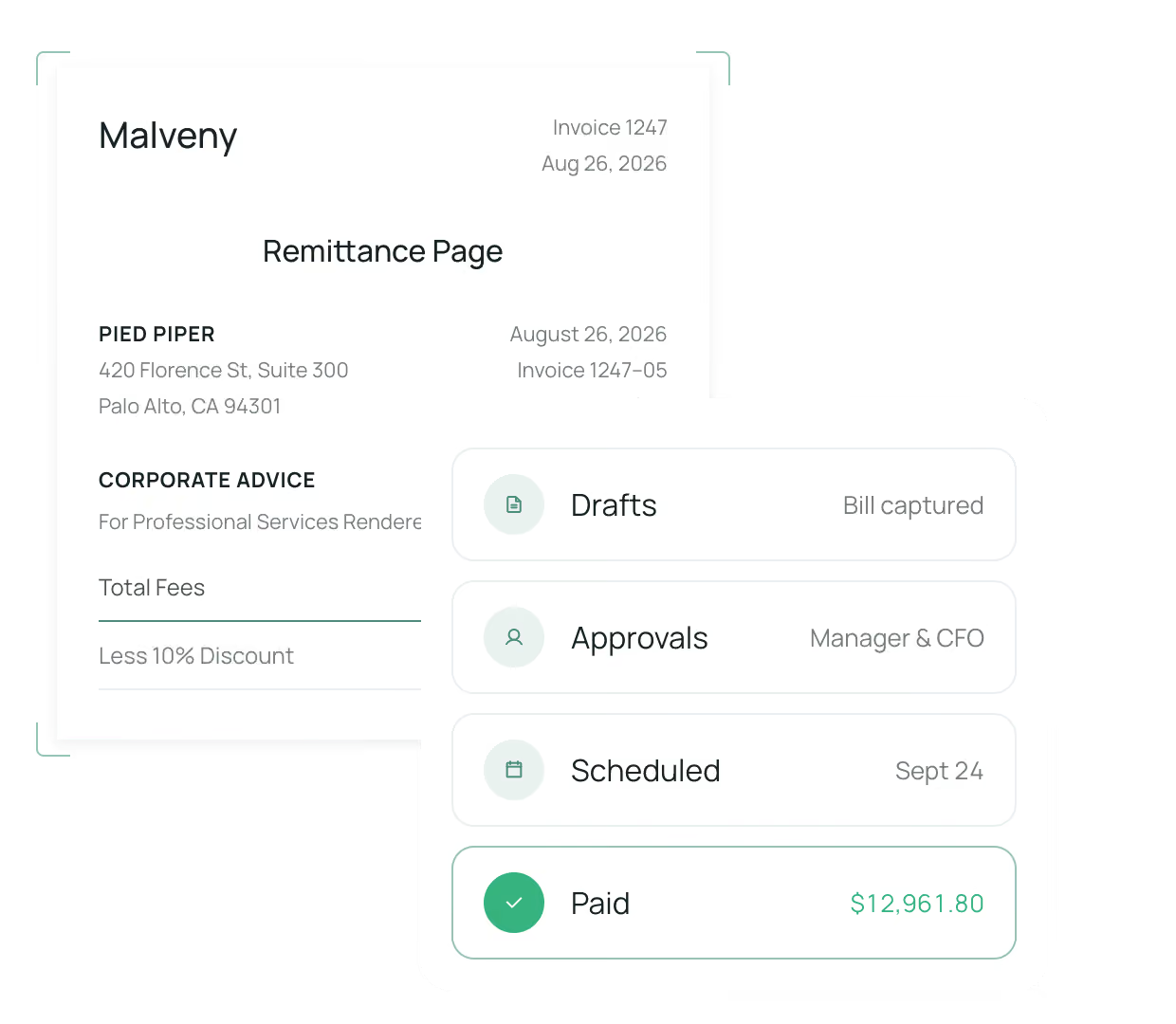
- Bills move from draft to paid, and what is owed to you is tracked alongside what you owe.
- Your books close every month, current, reconciled, and ready for your AI CFO Agent or your investors to look at.