.avif)
.png)

Ready to invest in AI?
Schedule time with Zeni's finance pros to learn more.
Thank you! Your submission has been received!
Oops! Something went wrong while submitting the form.
In this research report, we explore startup success statistics that provide critical insight into the landscape of the 2026 market. These key data points include the average startup success rate, how many unicorn companies there are, and which industries are most likely to see acquisitions.
It’s easy to conflate startups and small businesses since they’re both often founded by a single individual or close-knit team. This causes them to face similar challenges in their early stages, such as difficulty accessing credit and limited operating capacity.
However, the two are fundamentally different business models. The key distinction is that startups prioritize rapid growth, typically aiming to scale their operation through equity fundraising and disrupt global markets.
Meanwhile, small businesses generally prioritize stable growth and long-term profitability. In addition, they tend to operate within well-established industries, follow traditional revenue models, and remain independently owned.
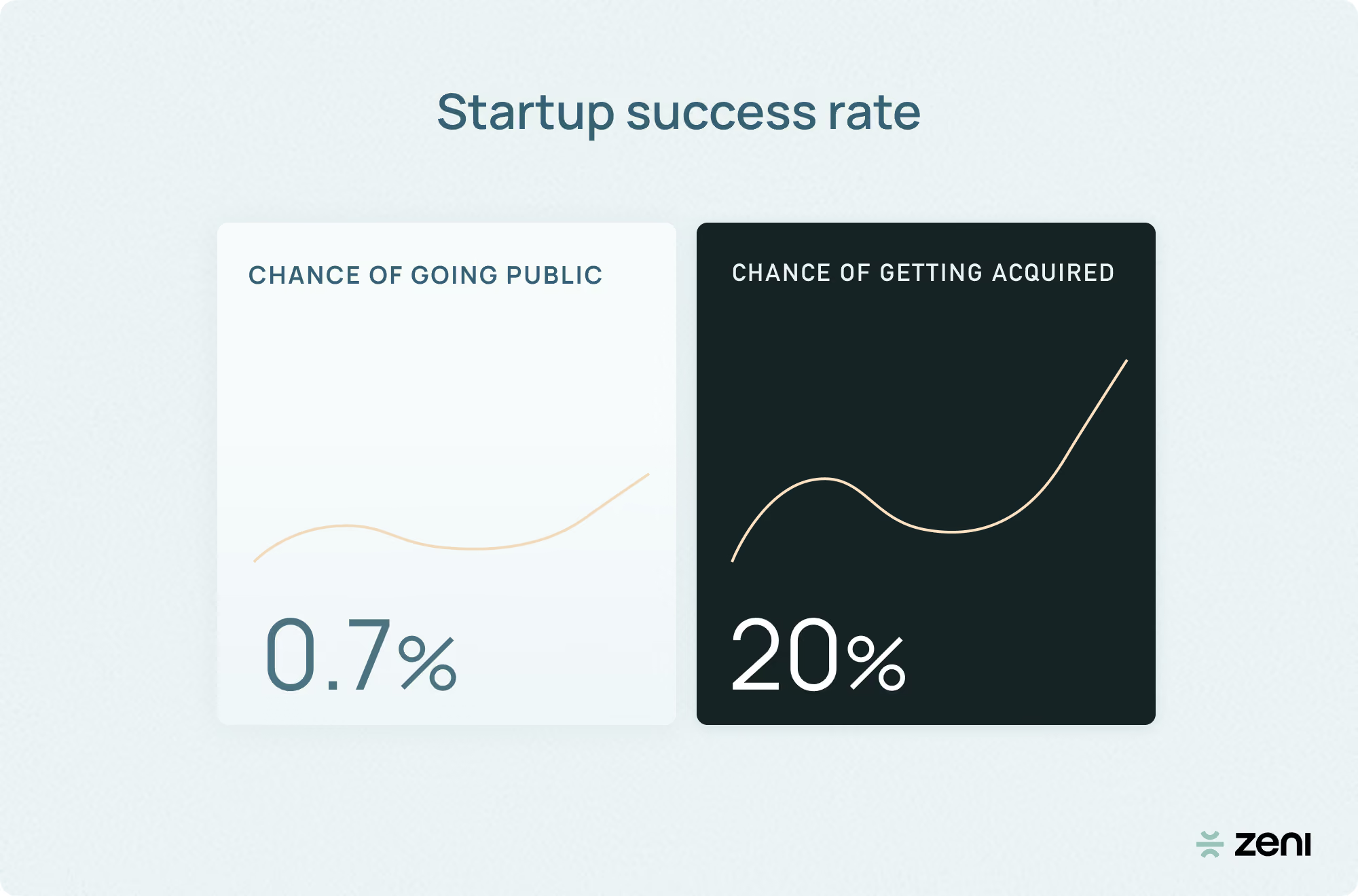
Startups are notorious for being high-risk ventures. A commonly cited statistic is that 90% of startups fail, often reportedly within the first year. According to our analysis of the latest CB Insights data, the common startup failure rate may be overstated.
Based on the platform’s aggregation of over 65 billion data points across more than 480,000 companies, the average probability of a startup completing a successful exit through mergers and acquisitions (M&A) is 20%.
In addition, the average startup has a 0.7% chance of successfully completing an initial public offering (IPO). This results in a combined average startup success rate of 20.7%, confirming that the poor survival rate is an exaggeration by at least 10%.
These probability scores take into account more than 70 features of each startup company, such as their patents and CFO profile. They also factor in market-level data, including startup funding rates, investor to startup ratios, and news coverage activity.
Zeni’s SaaS accounting software solution combines cutting-edge automation with dedicated support from human experts.
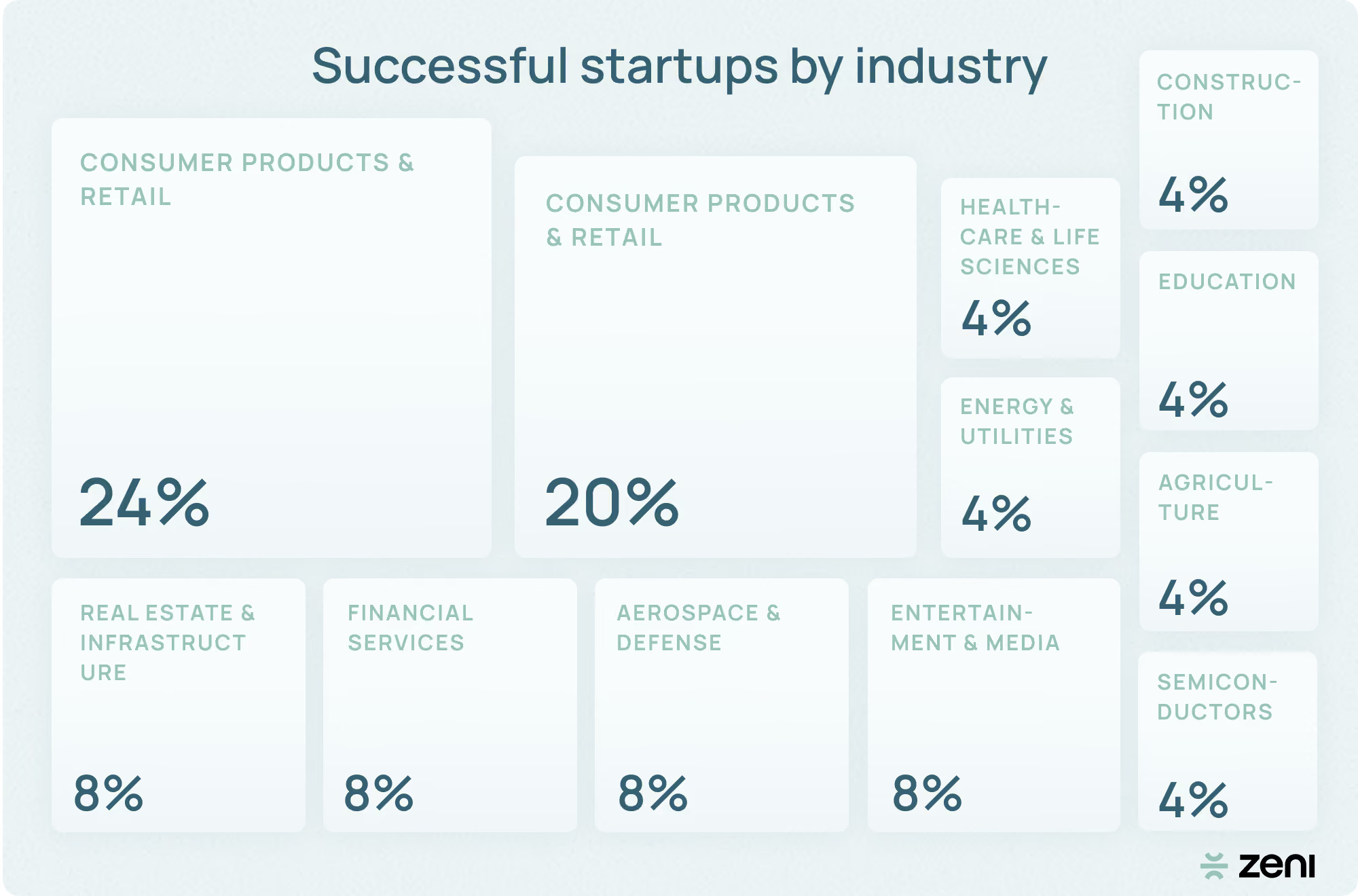
Startups may share a fundamental mandate, but outcomes differ significantly between industries. The sectors with the most successful exits also tend to shift over time alongside technological advancements, investor sentiments, and market trends.
According to PwC data, the technology sector was the most lucrative in 2025. During the calendar year, it saw a whopping 26 megadeals—defined as transactions involving more than $5 billion in value—which was far more than any other part of the market.
The banking sector came in a distant second, with half the number of megadeals in 2025. That said, it saw more aggressive growth year over year, jumping from just three such transactions in 2024 to 13 in 2025.
Manufacturing was a close third with 11 megadeals, up from just the one in 2024. Meanwhile, pharma and life sciences tied with power and utilities for fourth place, both of which experienced nine transactions worth more than $5 billion in 2025.
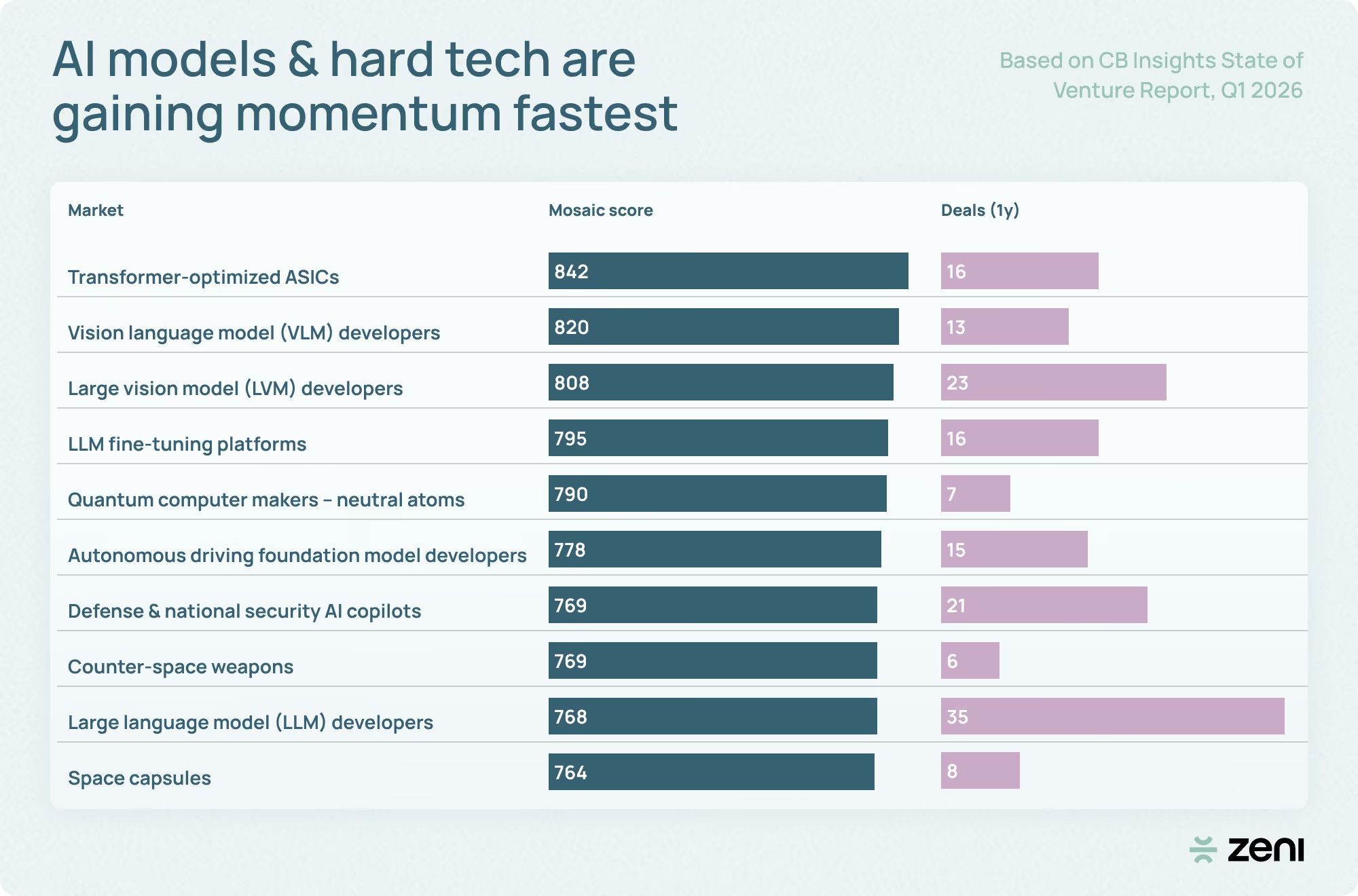
CB Insights utilizes its vast data set to calculate Mosaic Scores for private companies. These scores serve as a predictive measure of future success, helping to reveal which emerging sectors are gaining the most momentum.
Based on these scores, venture capital (VC) is shifting toward AI infrastructure and hard tech startups. Transformer-optimized ASICs have the highest score, which are silicon chips designed to accelerate training or inference for modern transformer-based AI models.
Companies developing vision language models (VLMs) and large vision models (LVMs) follow closely behind, which indicates that there’s significant interest in tools that can more efficiently process complex visual data.
Hard tech markets like defense and space are also showing significant strength. This includes defense and national security AI copilots, counter-space weapons, and neutral-atom quantum computing.
Recent government contracts and partnerships reflect this. For example, Ursa Major—an aerospace startup focused on designing advanced rocket engines—closed a partnership with Teledyne to supply propulsion for hypersonic vehicles.
Source: CB Insights State of Venture Q1 2026 Report
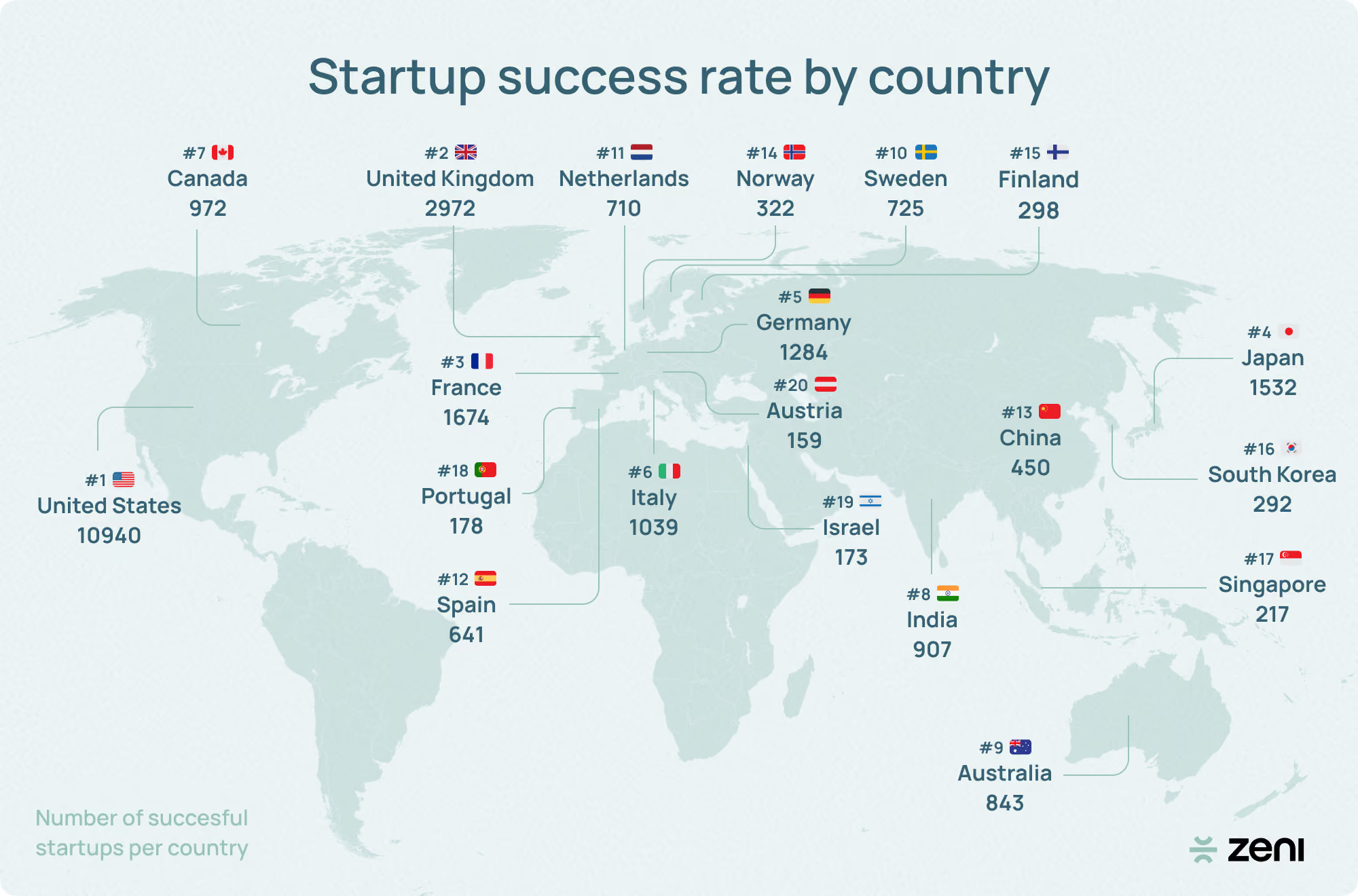
Startup success rates vary significantly by country due to various environmental factors. For example, existing infrastructure, business regulations, talent pools, and access to VC funding all play a critical role.
Because of its strength in these areas, the United States remains the most hospitable startup ecosystem in the world for startups. It accounted for more than a third of global exits between May 2025 and April 2026, with nearly 11,000 successful companies.
Next, the United Kingdom leads the European startups, representing just under 10% of M&A and IPO exits. Meanwhile, France and Japan also saw significant success, contributing another 9.6% of the global tally.
* Percentages based on a total of 30,735 companies across 20 countries.
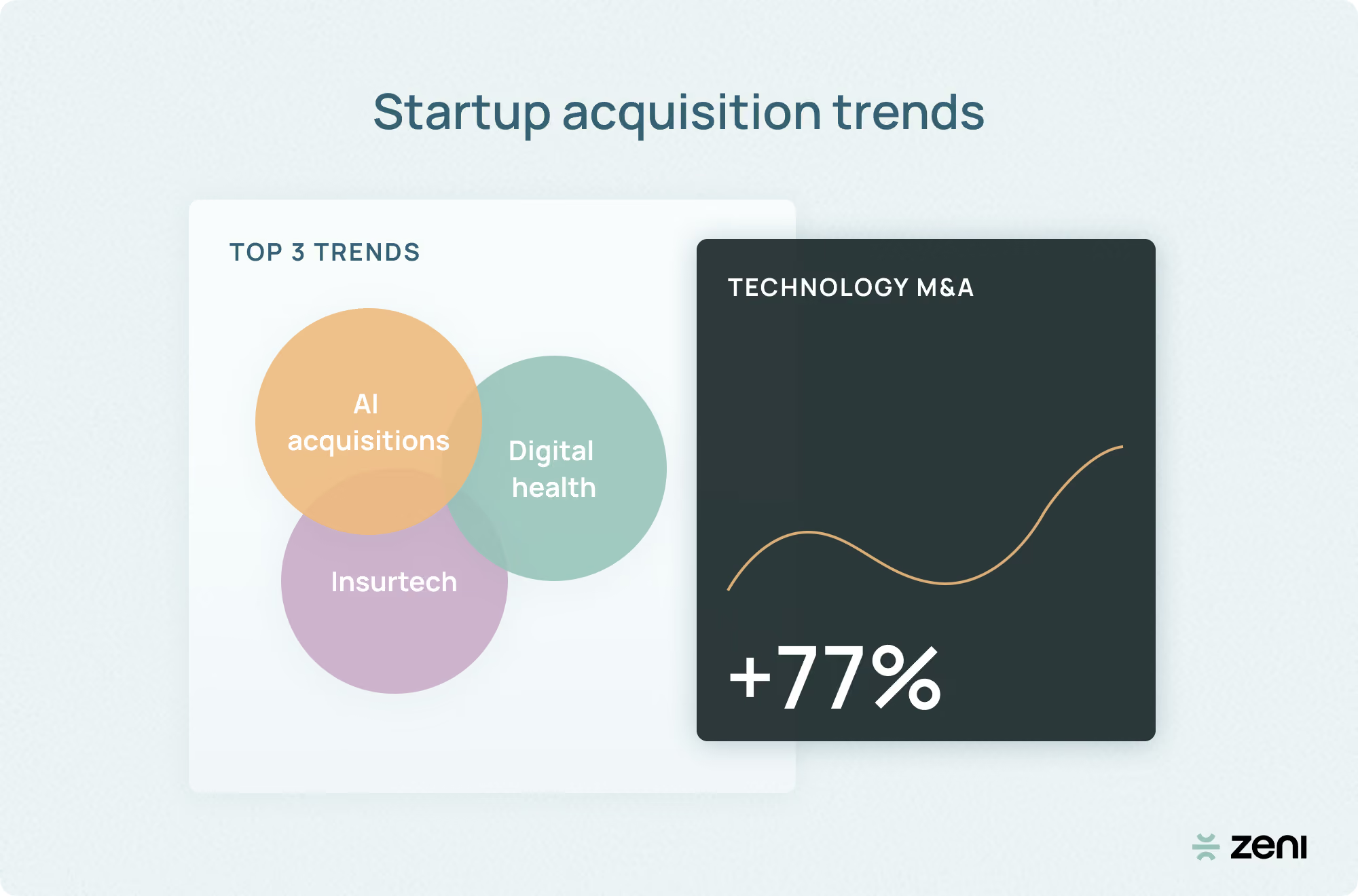
M&A activities shifted significantly between 2023 and 2025. While 2023 was largely characterized by defensive attitudes due to economic uncertainty, 2025 saw a 40% surge in deal value, reaching $4.9 trillion in total volume.
Unsurprisingly, this trend was strongest in the technology sector, where the rate of exits increased 77%. This was driven primarily by the race for AI capabilities, with nearly half of tech deals exceeding $500 million citing AI integration as the primary motivator.
Another notable trend reversal was the rebound of the digital health space, where deals increased by 33% to end a three-year decline. Similarly, insurtech exits hit a three-year high, increasing 67% year over year.
Across industries, megadeals are also beginning to dominate the landscape. Transactions exceeding $5 billion represented 73% of incremental deal value in 2025, with 111 such transactions publicly announced—up 76% from 2024.
Meanwhile, mid-market activity remains relatively subdued, which is creating an increasingly “K-shaped” market.
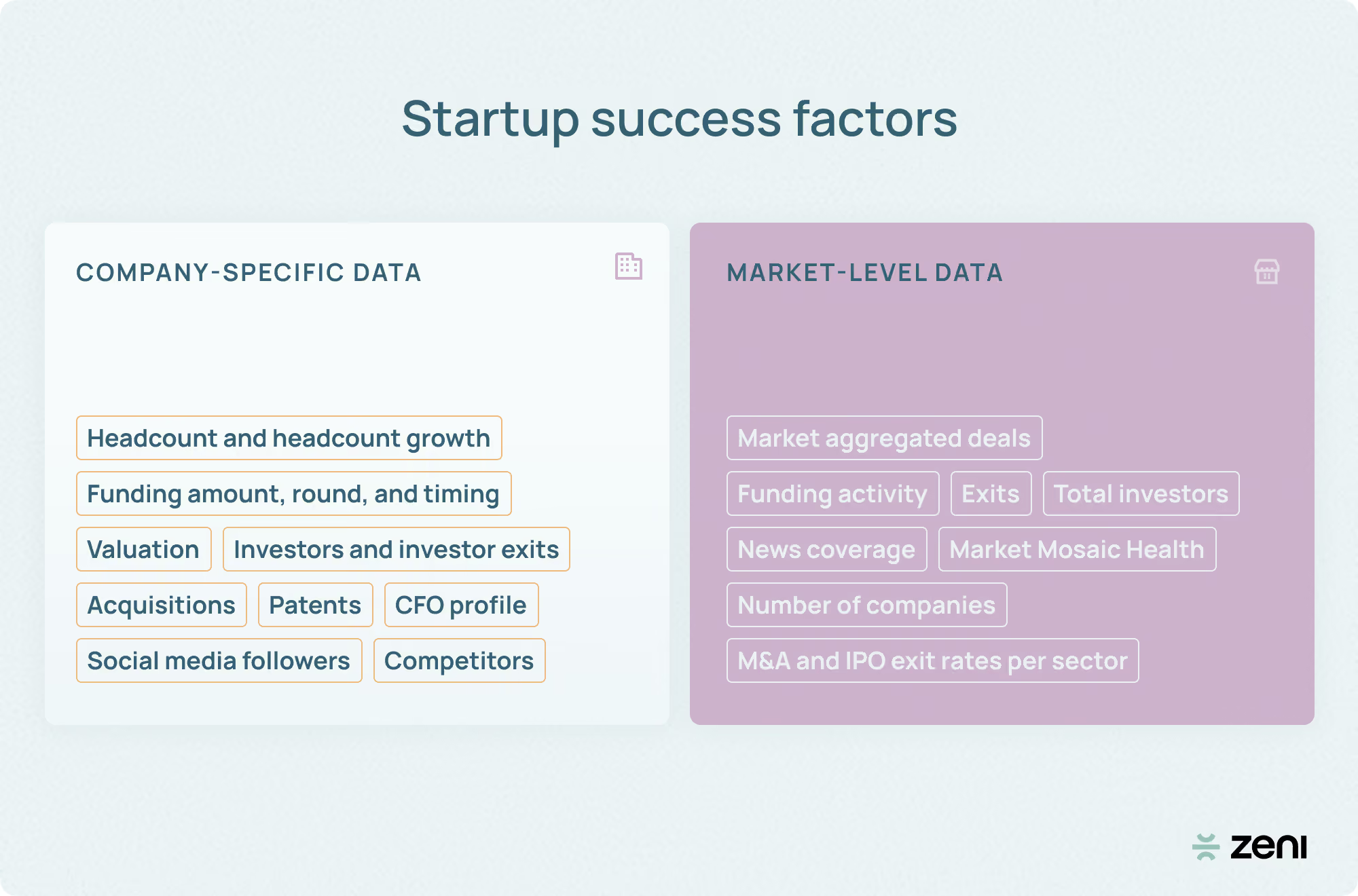
CB Insights has identified 70 distinct features that most accurately predict the probability of startup failure or success. These data points are what the platform uses to calculate its proprietary Mosaic Scores.
Some of the most impactful company-specific predictors include headcount and headcount growth, startup capital funding amounts and timing, as well as valuation.
Meanwhile, some of the most important market-level data points include ongoing funding activities, the rate of recent exits, the total number of investors, and the degree of market news coverage.
See below a more comprehensive list of significant predictive factors:
Zeni’s startup accounting services can help you streamline your cash flow management and maintain the liquidity you need for growth.
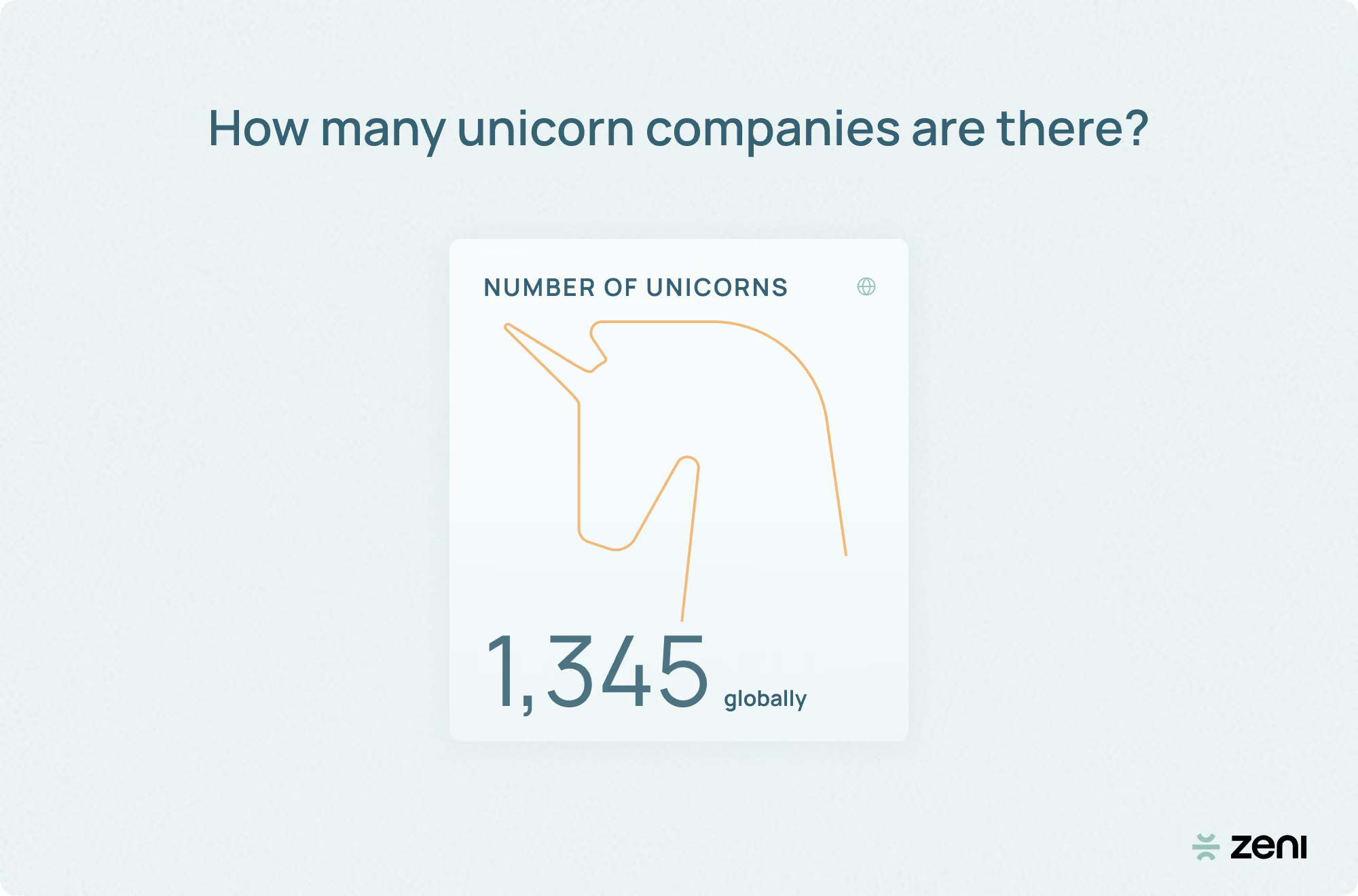
In the world of venture capitalists, a unicorn startup is a private company that has received a valuation of at least $1 billion. This is a common target for many a startup founder, often representing the pinnacle of success, but it’s a decidedly uncommon achievement.
According to CB Insight’s public unicorn tracker, there are a total of 1,345 unicorns worldwide as of March 2026. In combination, these companies have a cumulative valuation of roughly $6.4 trillion.
OpenAI, the enterprise tech company responsible for the groundbreaking generative AI tool ChatGPT, has the highest private valuation at $840 billion. Other notable unicorns include SpaceX at $400 billion, Anthropic at $380 billion, and Stripe at $159 billion.
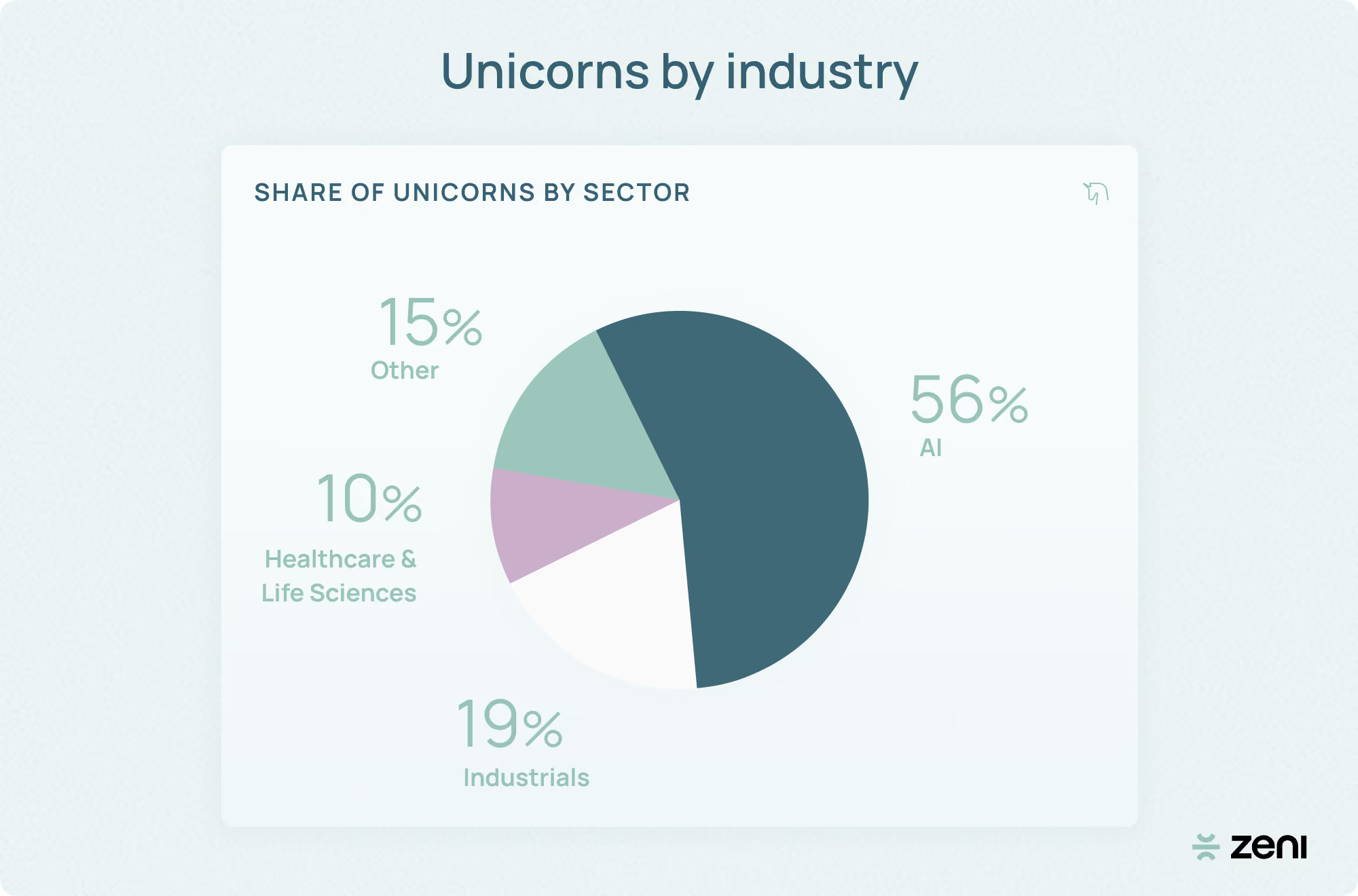
Like startup success in general, the sectors in which you see unicorns tend to shift over time. In 2025, AI startup companies are by far the most likely candidates, accounting for roughly 56% of unicorns and 65% of their total valuation.
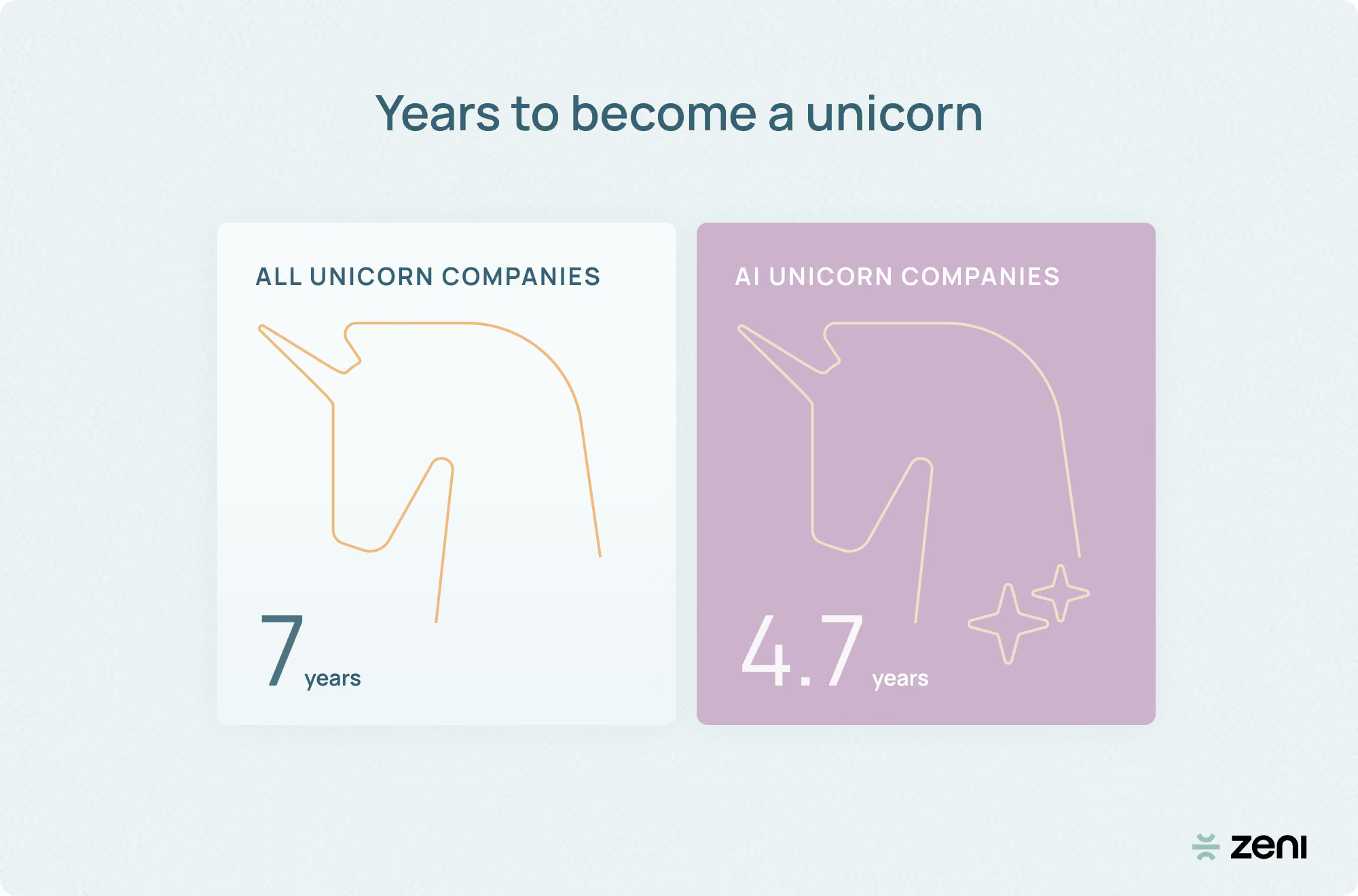
The industrial sector is responsible for the next largest share, representing 19% of unicorns and 14.5% of their total valuation. Healthcare and life science companies are the last large piece of the pie, constituting 10% of both their number and valuation.
The remaining 15% of unicorns are spread across a wide variety of sectors.
Schedule a demo to see Zeni’s AI accountant agent in action, capable of automating everything from journal entries to flux analysis.
![Venture capital trends and statistics in 2026 [new data]](https://cdn.prod.website-files.com/642b3b2440806566d7573934/6a7a31b1282ad91171af9142_venture-capital-trends-and-statistics_%402x.webp)


.png)